
Engine Horsepower Calculator
Engine Parameters
Dyno Correction
Power Breakdown
Correction Comparison
Free Online Tool for Engine Power & Dyno Correction
What It Does
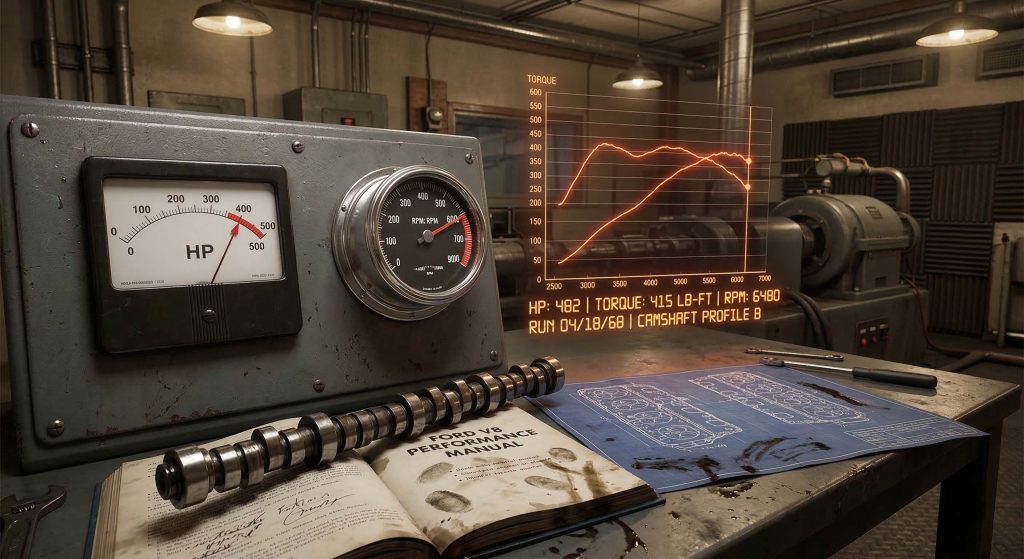
Our Horsepower Calculator translates raw engine data into meaningful power figures using the industry-standard formula: HP = (Torque × RPM) / 5252. Whether you’re reading from a dyno sheet or calculating theoretical output, this tool gives you accurate horsepower numbers.
But we didn’t stop there. The calculator includes all major dyno correction factors—SAE, DIN, JIS, and EEC—so you can compare results across different testing standards and atmospheric conditions. If you’re also comparing how tire changes affect effective gearing, pair this with our Tire Size Calculator.
Why It Matters
Horsepower is just a calculated number. It doesn’t exist in isolation—it’s derived from torque and engine speed. Understanding this relationship helps you make smarter decisions about gearing, shift points, and modifications.
Dyno correction factors are equally important. A pull on a hot, humid day at sea level produces very different numbers than the same engine on a cold, dry day in the mountains. Correction standards normalize these results so you can actually compare apples to apples. If you’re planning road-use costs after a build, our Gas/Trip Cost Calculator adds useful real-world context.
How to Use It
1. Enter your torque reading in lb-ft or Nm
2. Enter the RPM where that torque was measured
3. Select your correction factor (SAE, DIN, JIS, or EEC)
4. Add atmospheric conditions if available
5. Click Calculate for corrected horsepower
Key Features
– Instant horsepower calculation from torque and RPM
– Multiple dyno correction standards (SAE J1349, DIN 70020, JIS D1001, EEC 95)
– Unit flexibility — works with lb-ft or Newton-meters
– Atmospheric condition inputs for precise correction
– Clean, responsive interface for mobile dyno days
– Reference chart showing the correction factor formulas
– No registration required
Who Needs This
– Engine builders validating cam and head combinations
– Track day enthusiasts planning optimal shift points
– Dyno operators double-checking customer sheets
– Project car owners comparing before/after modification results
– Tuners normalizing results across weather and correction standards
Example Use Cases
- Dyno sheet checks: Confirm horsepower from torque and RPM when reviewing a pull.
- Build comparisons: Compare before-and-after modification results using corrected power figures.
- Track prep: Estimate how gearing and power delivery affect shift points and overall setup.
FAQ
Q: What is the horsepower formula?
A: The standard formula is HP = (Torque × RPM) / 5252 when torque is measured in lb-ft.
Q: Why do correction factors matter?
A: They normalize dyno results across different weather and testing conditions so you can compare runs more fairly.
Q: Can I use Nm instead of lb-ft?
A: Yes. The calculator supports multiple units and handles the conversion for you.
You might also find these tools useful:
Tire Size Calculator
Gas/Trip Cost Calculator
Length Conversion Calculator